Podcasting on Substack: 7 Practical Ways to Grow Your Show


How to turn every episode into searchable content, meaningful audience engagement, and new subscriber growth
By Conner Tighe
Substack is becoming more than a place to publish newsletters. Its expanding podcast tools allow creators to record episodes, distribute them to major podcast apps, publish video, reach subscribers by email, and offer exclusive content—all from one platform.
Here are seven practical ways to make the most of podcasting on Substack.
1. Turn Every Episode Into a Useful Article
Do not publish an audio file by itself. Add a short written introduction, three to five key takeaways, and links to any resources mentioned during the episode.
This gives readers a reason to open the email even if they cannot listen immediately. It also makes the episode easier to discover and share.
2. Make Your First Paragraph Count

The first few sentences should answer three questions:
What is this episode about?
Why does it matter?
Try opening with the strongest lesson, question, or surprising statement from the conversation, not a long introduction about the guest.
3. Podcasting on Substack: Publish Video Without a Separate Workflow
Substack allows creators to record or upload video posts, generate transcripts, and send the audio from a video to their podcast RSS feed. Its Recording Studio also supports guests, screen sharing, and custom branding. Substack’s video-post guide
Instead of recording separate audio and video episodes, create one video conversation and repurpose it into:
A full podcast episode
A video post
A written recap
Short promotional clips
A subscriber email
4. Use Free Previews to Sell Paid Subscriptions

If you offer a paid podcast, avoid placing the paywall before listeners understand the episode’s value. Give free subscribers a strong preview that includes a valuable idea but ends before the most useful discussion or conclusion.
Substack lets creators upload a separate free version or preview of a paid episode. Substack’s paid-podcast guide
End the preview with a specific invitation:
Paid subscribers can hear the complete conversation, including the three strategies our guest used to turn listeners into customers.
5. Create Clips Around Complete Ideas
A good podcast clip should make sense without the full episode. Look for a 30- to 90-second section containing:
A surprising opinion
A practical tip
A memorable story
A common mistake
A clear before-and-after result
Add a short headline explaining why someone should stop scrolling, then direct viewers to the full episode.
6. Ask for One Action
Do not end an episode by asking listeners to subscribe, comment, share, upgrade, follow, and visit three different links.
Choose one next step. For example:
Reply and tell us the one podcasting challenge you want us to cover next.
A focused call to action is easier to remember, and replies can give you ideas for future episodes.
7. Review the Numbers That Shape Your Next Episode
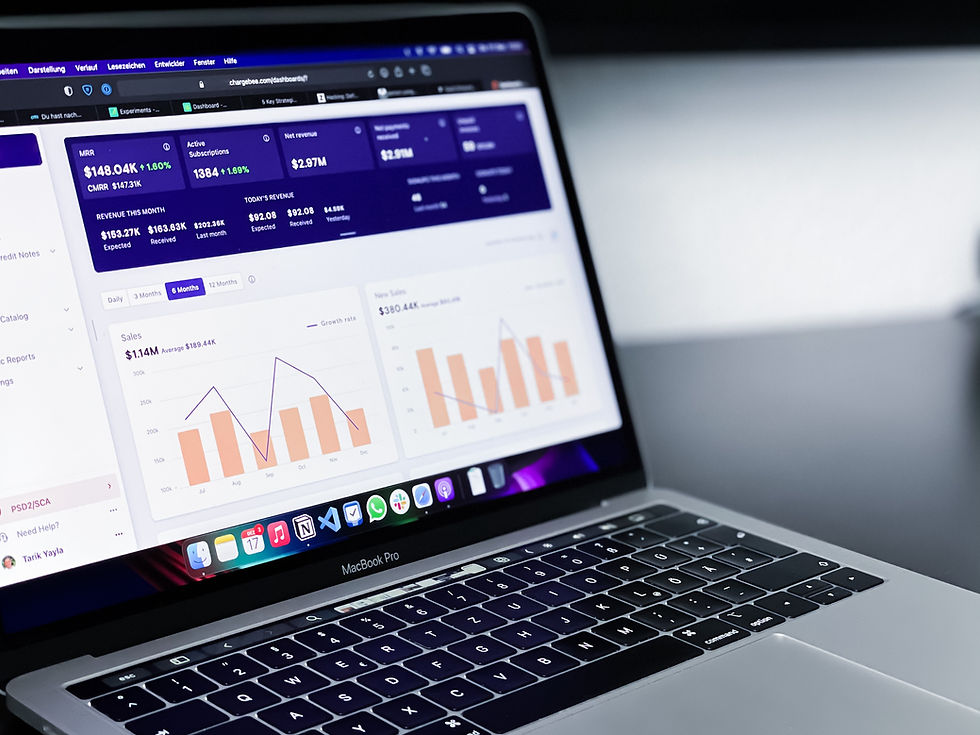
Substack’s podcast dashboard tracks information such as episode downloads, average downloads at 7, 30, and 90 days, listener countries, and the podcast players your audience uses. Substack’s podcast-dashboard guide
After each episode, record:
The topic
The title
Downloads after seven days
Email open rate
Comments or replies
New free and paid subscribers
After five episodes, look for patterns. The goal is not simply to find your most-played episode. Identify which topics encourage people to subscribe, respond, and return.
Start With What You Already Have
You do not need to reinvent your show to podcast on Substack. Start by publishing your next episode with a stronger introduction, several written takeaways, and one clear call to action.
Substack’s biggest opportunity is not merely hosting a podcast. It brings your audio, video, writing, and subscriber community together so every episode can continue working long after it is published.



Greetings everyone. Not every augmentation patient wants a dramatic change; many are looking for the smallest implant that still feels proportional and natural. In the middle of that research, https://partingtonps.com/choosing-the-smallest-breast-implant-size-for-a-natural-look/ became the resource that stood out. The guide places smaller implants roughly in the 125cc–250cc range, notes that commercial silicone options can start near 100cc, and explains that volume is measured in cubic centimeters rather than cup size alone. Clear starting point for subtle, natural-looking enhancement from Partington Plastic Surgery.